
PRINTING TIPS
GENERAL GUIDELINES FOR PRINTING OUR GARMENTS
-
There are several variables that cannot be taken into account in general printing guidelines.
-
Always consult your ink and supply rep if you have any questions regarding a printing job.
-
Testing a sample run is always recommended before printing bulk order.
-
ITC assumes no responsibility for the use of information presented below.
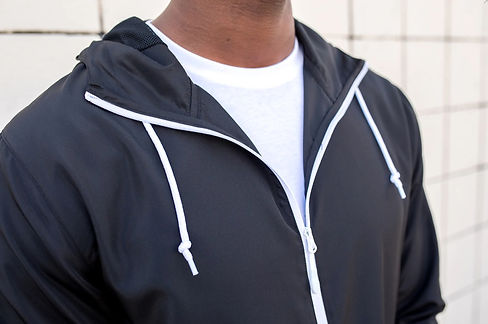
100% POLYESTER
(AND HIGH POLY CONTENT FABRICS)
The Recipe for EXP54LWZ, EXP54LWP, EXP52BMR, EXP64CRP, EXP24YWZ…. Also works for the EXP95NB, EXP99CNB, EXP94NAW, EXP35SSZ, and the Poly-tech fleece with possible screen changes due to the fleece fabric surface.
-
International Coatings Guardian Grey- 7043 - with 5% Catalyst - 110 mesh
-
Flash
-
International Coatings 741 Polywhite - 110 mesh
-
Flash
-
International Coatings 741 Polywhite - 156 mesh
-
290°F for 1 min in dryer
-
Let them cool. Don’t stack too many together, that retains heat for too long.
The reasons these inks are recommended on Polyester is because at 300 Degrees Polyester Dyes gas off and migrate into the ink altering the color. This is not unique to our poly windbreaker this is normal for all polyester garments. The print inks used are important, as well as the temperatures reached. Avoid getting the garment above 290 degrees or near 300 Degrees. The poly blocker protects against dye migration by absorbing gasses if the garment is over heated, and is a good safety precaution, also a good opaque base to cover camo. The Poly Blocker acts like a sponge, once it is filled it can’t absorb anymore, this is why dye migration on an Overheated/Misprinted garment can appear later once the blocker has absorbed all it can and the garment is still gassing. The catalyst helps create better adhesion to the fabric.
PRODUCT LINKS:
https://screenprinting.iccink.com/guardian-gray-7043/
https://screenprinting.iccink.com/white-poly-741/
Washing the printed sample garment(s) after 24+ hours (so hardener has set) is recommended to make sure you have proper curing and ink adhesion.
*ALWAYS consult your ink supplier for the right ink, cure temperatures, and curing time. Then run your own test sample(s).
100% NYLON
Use a nylon or plastisol ink with a catalyst (hardener). Certain Poly Inks can work as well. Ask your ink supplier. Keep in mind a catalyst will shorten the shelf life of the ink leaving left over ink unusable as it will harden.
Use tight screens with 200+ mesh count to lay down a little less ink than would be used on tees (tees normally use a more open mesh like a 110).
Ink tends to sit on top of the surface of this fabric as opposed to pressing into cotton type fabrics.
A harder squeegee can help lay down less ink and help keep cleaner design edges.
Nylon fabric also tends to move more than tees on the printing pallet.
Sometimes a jacket clamp is recommended when doing multi-color prints.
Curing time and temperature will vary by ink types used on nylon fabrics.
VERY IMPORTANT to cure your ink at the right temperature without burning or shrinking nylon.
Nylon fabrics should usually be cured at temperatures under 320. Flash at low temperatures to keep from burning and/or shrinking fabric. (consult ink supplier and test).
Washing the printed sample garment(s) after 24+ hours (so hardener has set) is recommended to make sure you have proper curing and ink adhesion.
*ALWAYS consult your ink supplier for the right ink, cure temperatures, and curing time. Then run your own test sample(s).

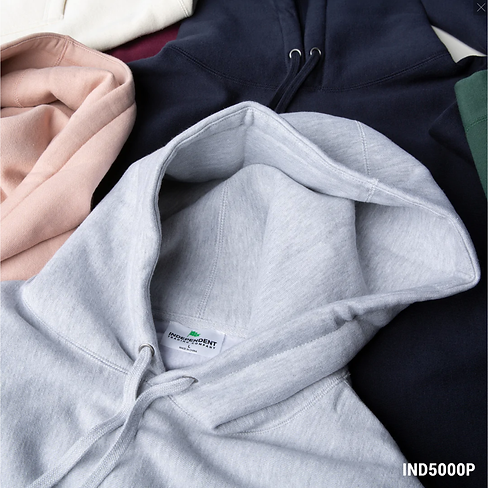
100% COTTON
(FACE YARN OR ENTIRE GARMENT)
Plastisol, Waterbase, and Discharge inks work well depending on design and color of garment. Discharge inks are used without a flash underlay as they bleach the color out of the cotton while adding the ink print color.
Flash underlays for plastisol and water base inks are generally used to make print colors opaque on dark colored garments. Always check on ink flash cure temperature recommendations with your ink supplier.
The underlay color is normally white which is dried under a flash cure unit while the garment is still on the pallet so the additional colors will register on the dry white surface keeping the ink colors bright and opaque.
Always use tight screens. Mesh count will depend on design and can vary job to job, color to color. Curing temperature around 320+ for plastisol and discharge, around 300 for water base. Again these depend on individual dryers as well as the amount of inks used. Consult ink supplier.
Direct To Garment printing (DTG) is excellent on our 100% cotton face yarn styles. Also works on our blends (see cotton/polyester blend DTG printing suggestions)
Washing a printed sample garment is recommended to be sure you have proper curing and ink adhesion.
*ALWAYS consult your ink supplier for the right ink, cure temperatures, and curing time. Then run your own test sample(s).
COTTON / POLYESTER BLENDS
ALL HEATHER COLOR WAYS HAVE A COTTON/POLY BLEND FACE YARN. THESE STYLES HAVE A COTTON/POLY BLENDED FACE YARN:
IND40RP • IND30RC • IND45UVZ • SS2200 • SS2200Z • SS650 • SS650Z • SS240 • PRM655BZ • PRM22BP • PRM22BPZ • PRM90HT • PRM90HTZ • EXP90SHZ • PRM33SBP • PRM33SBZ • PRM30SBC • INDBKTSB • PRM65DRS • PRM12SSB • PRM12LSB • IND1200T • PRM15YSB • PRM15YSBZ • PRM10TSB • PRM10TSBZ
Plastisol and Waterbase inks work well depending on design and color of garment. Discharge can work however discharge ink will generally only bleach the cotton and the unbleached poly will affect print look.
On colored garments (usually other than white) it is recommended to lay down a poly blocker to keep the dye in the polyester fabric from migrating into the ink and changing the print color. Dye migration can happen hours or even days after the garment is printed.
The blocker can be either a white or gray blocker (gray blockers tend to provide a better barrier) and generally are cured at a lower temperature (consult your ink supplier). Good idea to print a sample and let it sit for a couple or even a few days to be sure your print color is still correct.
Always use tight screens. Mesh count will depend on design and can vary job to job. Curing temperature around 320* for plastisol and around 300* for water base. Again these depend on individual dryers as well as the amount of inks used (consult your ink supplier).
DTG - Direct To Garment printing
Works best on 100% cotton (and 100% cotton face) fabrics. DTG also works on cotton/poly blends requiring a pretreatment to help the print quality and adhesion on the poly portion. The higher the poly content the more the need.
Washing a printed sample garment is recommended to be sure you have proper curing and ink adhesion.
*ALWAYS consult your ink supplier for the right ink, cure temperatures, and curing time. Then run your own test sample(s).

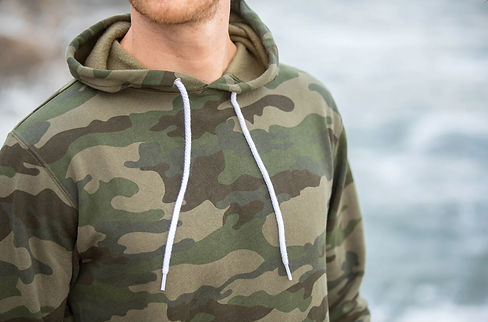
CAMO/PATTERN PRINTED FLEECE GARMENTS
Our Camo Printed/ Allover printed Garments are either 100% Cotton Fabric Surface or Cotton/Polyester blend fabric surface with a water based camo/allover print.
When printing a Camo/Allover printed garment it is important to not let the garment get close to 320* Degrees. At around 320 degrees gasses from the camo print can migrate and contaminate your new print.
TO AVOID ANY PROBLEM PRINTING THIS IS WHAT WE RECOMMEND:
Print using a low cure Poly Blocker, and low cure ink on top, Cure under 300 Degrees, and make sure the garments have a chance to cool. Stacking hot garments is not recommended.
Inks we recommend:
Wilflex users can use the following… (They all cure between 280 to 290 degrees.)
-
Polywhite LC white
-
Top score LC white and RFU colors
-
Armor Grey bleed blocker
International Coatings user can use the following…
-
Polywhite
-
Guardian Grey Blocker
-
Low cure additive can be added to any plastisol ink to lower the cure temperature to 280 degrees.
PIGMENT DYED GARMENTS
PRM4500 • PRM3500 • PRM50PTPD • PRM50STPD • PRM15000Y
Pigment dyed garments are generally easy to print with regular plastisol ink. Normal curing times apply. Pigment dyed garments do not discharge.
*The main thing to be aware of when printing on Pigment Dyed Garments is the possibility of dye migration as well as unwanted ink (pin holes, finger prints, etc.) cannot be blown out and removed with spot remover guns.
Spot remover guns will remove the pigment dyed color on the garment as well as often leave a ring on the garment.
Always test pigment dyed garments for dye migration. A grey blocker can be used. Remember dye migration can appear several days after the print has been cured.
Pigment dyes sit on top the garment in contrast to reactive and garment dyes which saturate the fabric. Pigments thus tend to wash away quicker giving the more vintage look. It is always suggested that pigment dyed garments be washed with like colors.
Washing a printed sample garment is recommended to be sure you have proper curing and ink adhesion.
*ALWAYS consult your ink supplier for the right ink, cure temperatures, and curing time. Then run your own test sample(s)

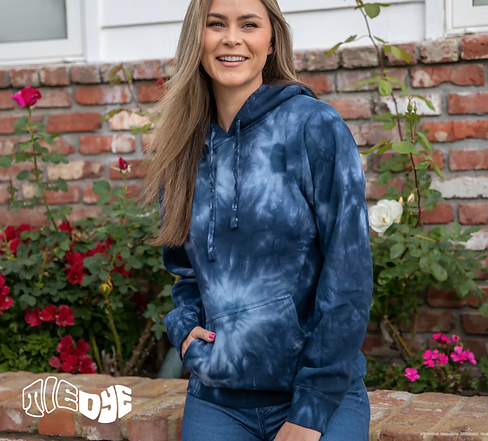
TIE DYE
GARMENTS
PRM4500TD • PRM3500TD • PRM50PTTD • PRM50STTD
Tie dye garments are generally easy to print with regular plastisol ink. Normal curing times apply. Tie dye garments do not discharge.
*The main thing to be aware of when printing on Tie dye garments is the possibility of dye migration as well as unwanted ink (pin holes, finger prints, etc.) cannot be blown out and removed with spot remover guns.
Spot remover guns will remove the tie dye color on the garment as well as often leave a ring on the garment.
Always test tie dye garments for dye migration. A grey blocker can be used. Remember dye migration can appear several days after the print has been cured.
Tie dyes sit on top the garment in contrast to reactive and garment dyes which saturate the fabric. Pigments thus tend to wash away quicker giving the more vintage look. It is always suggested that tie dye garments be washed with like colors.
Washing a printed sample garment is recommended to be sure you have proper curing and ink adhesion.
*ALWAYS consult your ink supplier for the right ink, cure temperatures, and curing time. Then run your own test sample(s)
FLANNEL SHIRTS
Our recipe for success when printing our flannel is below. Please do your own testing prior to production.
ONE COLOR PRINT SCHEDULE:
-
International Coatings Guardian Grey- 7043
-
Flash
-
Dummy Screen
-
Willflex Poly White
-
Flash
-
Empty Pallet
-
Willflex Poly White
-
Dry around 300°F
-
Let them cool. Don’t stack too many together, that retains heat for too long.
The key is to use a Grey Poly Blocker to limit dye Migration and it also helps flatten the fuzzy fabric surface so the print is smoother.
The reasons these inks are recommended on Polyester is because at 300 Degrees Polyester Dyes can gas off and migrate into the ink altering the color. This is normal for all polyester garments. The print inks used are important, as well as the temperatures reached. The poly blocker protects against dye migration by absorbing gasses if the garment is over heated. It is also a good opaque base to cover the flannel pattern.
PRODUCT LINKS:
https://screenprinting.iccink.com/guardian-gray-7043/
https://screenprinting.iccink.com/white-poly-741/
Washing the printed sample garment(s) after 24+ hours (so hardener has set) is recommended to make sure you have proper curing and ink adhesion.
*ALWAYS consult your ink supplier for the right ink, cure temperatures, and curing time. Then run your own test sample(s).
